Lesson Report
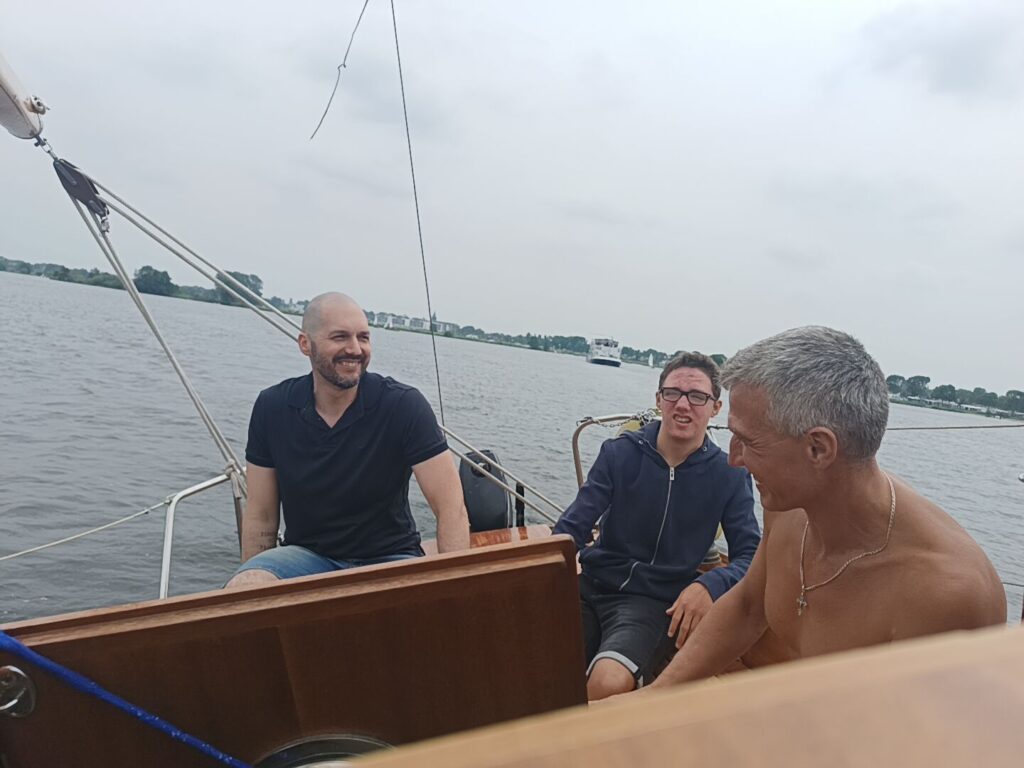
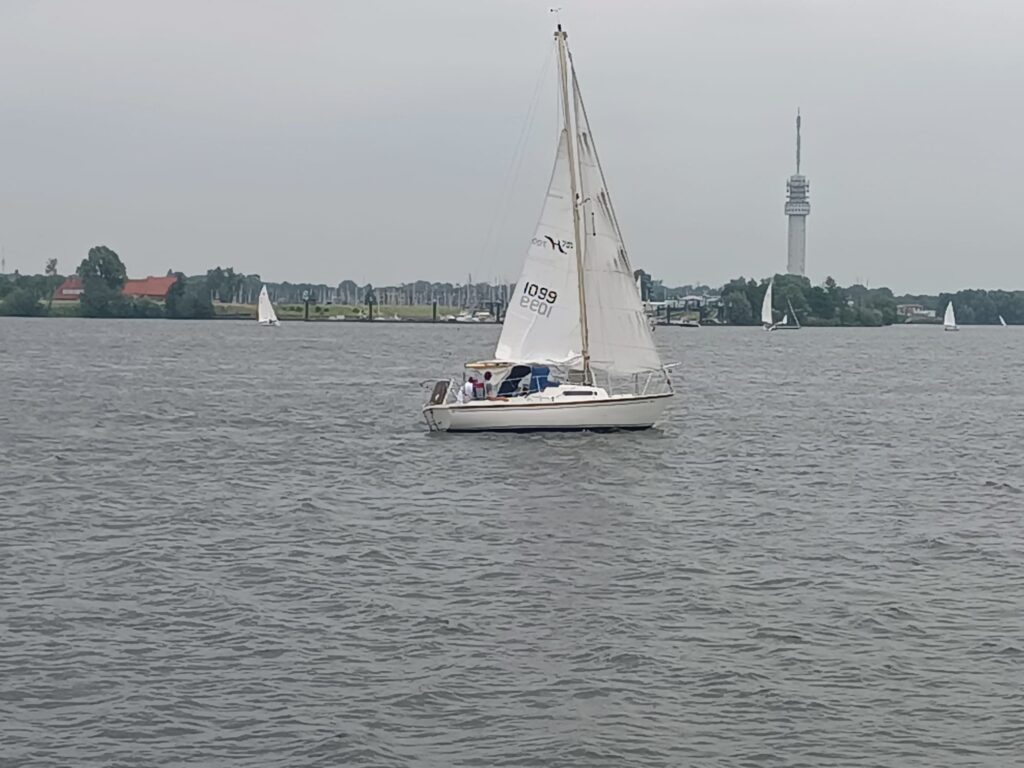
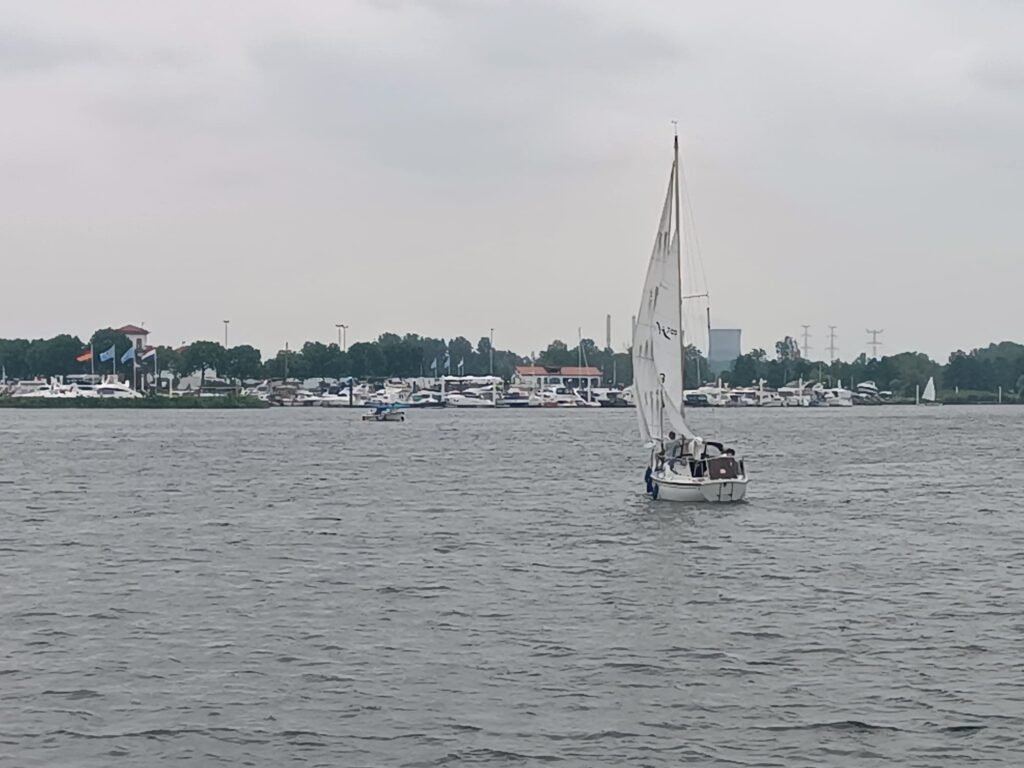
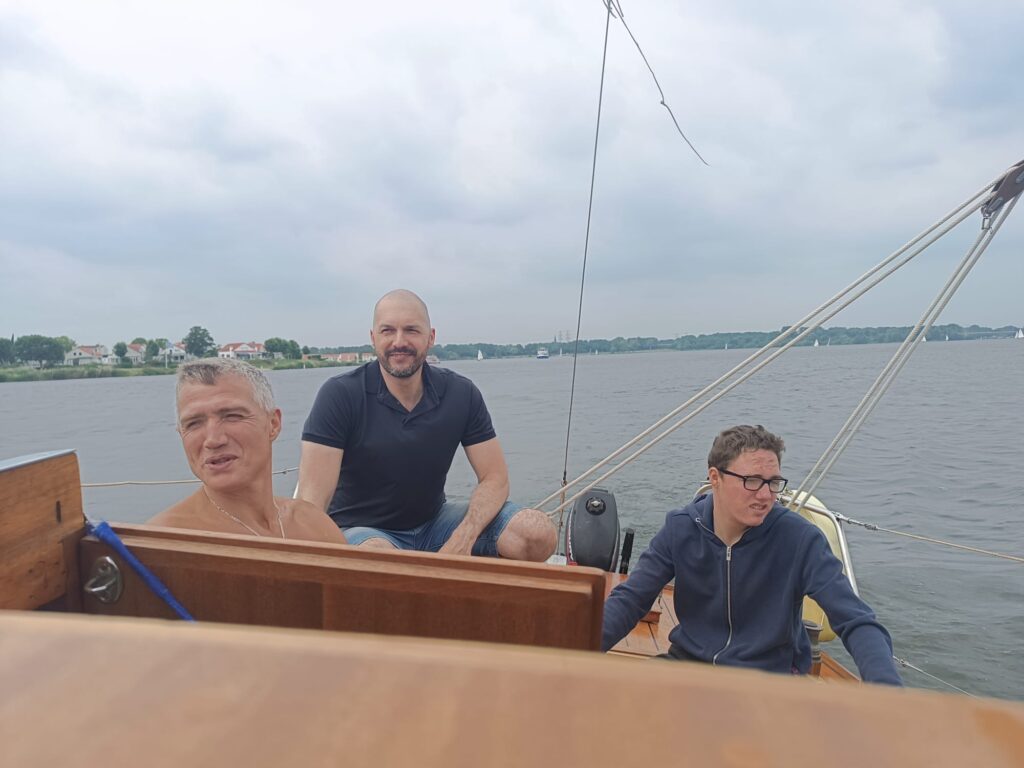
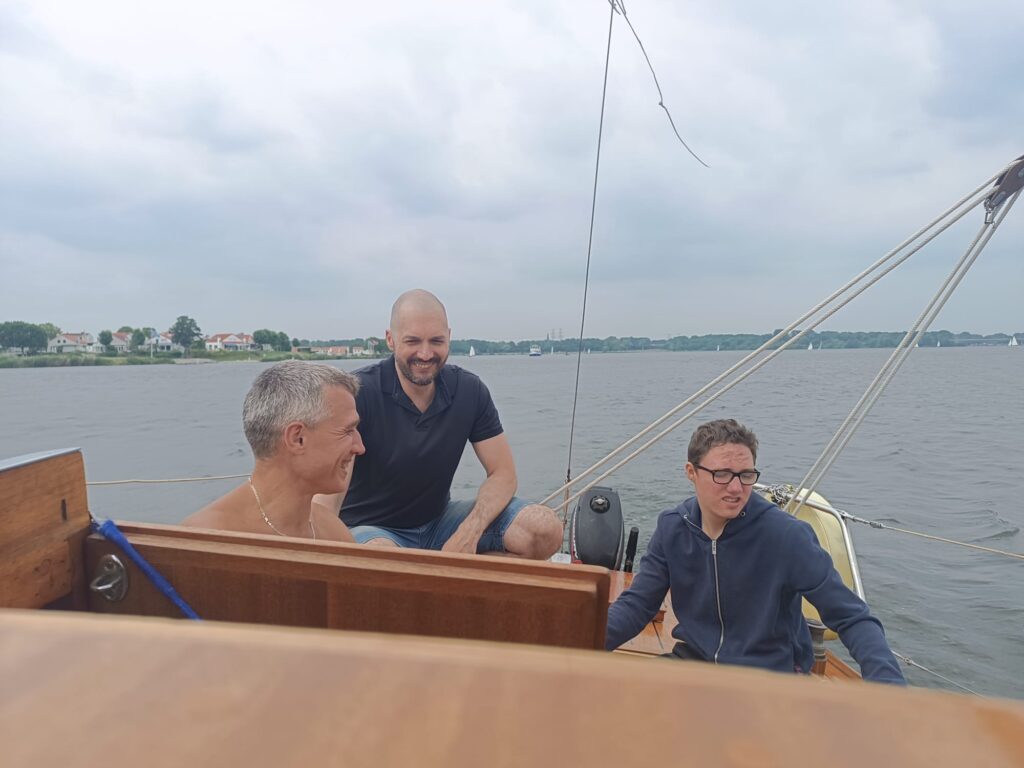
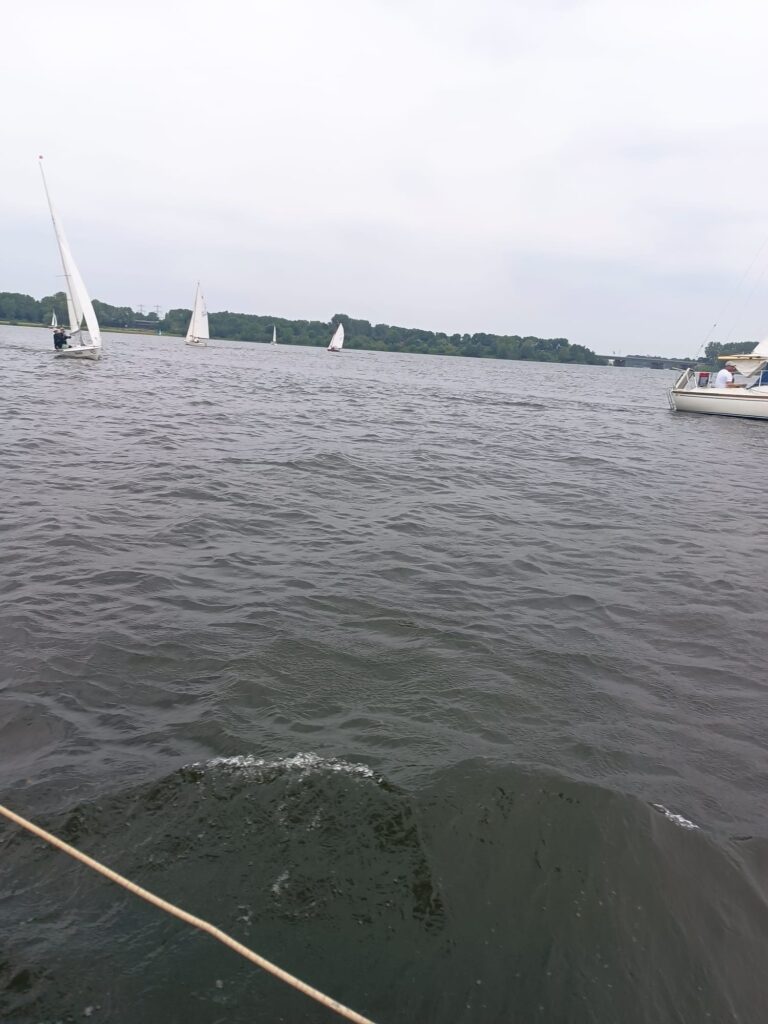
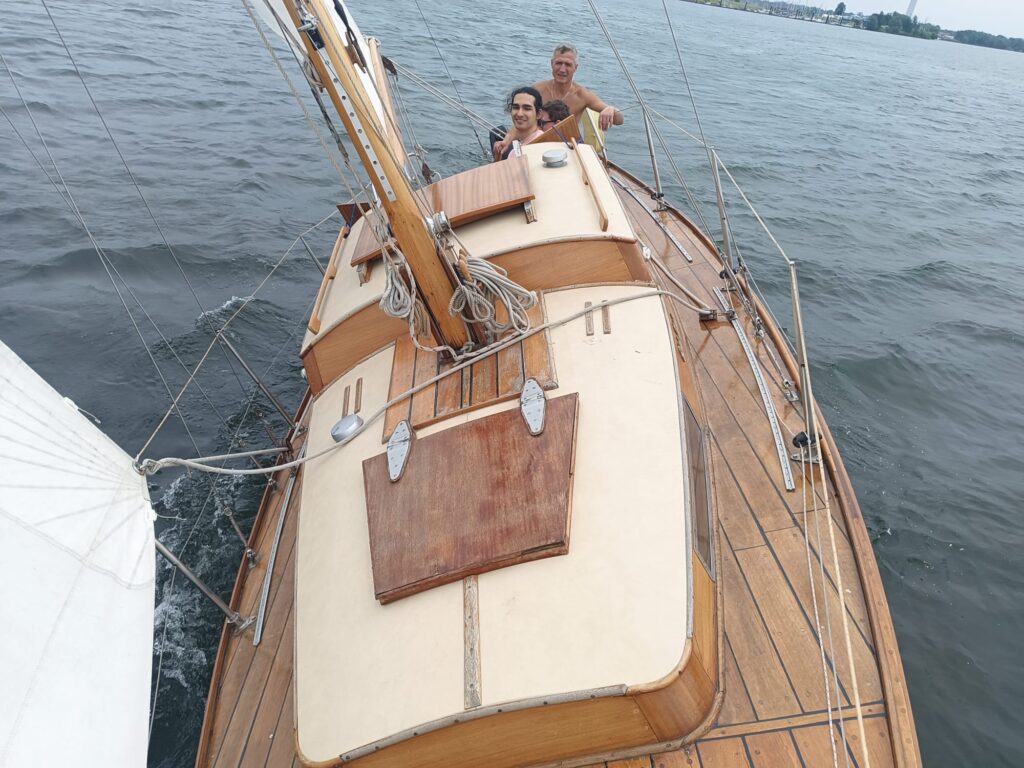
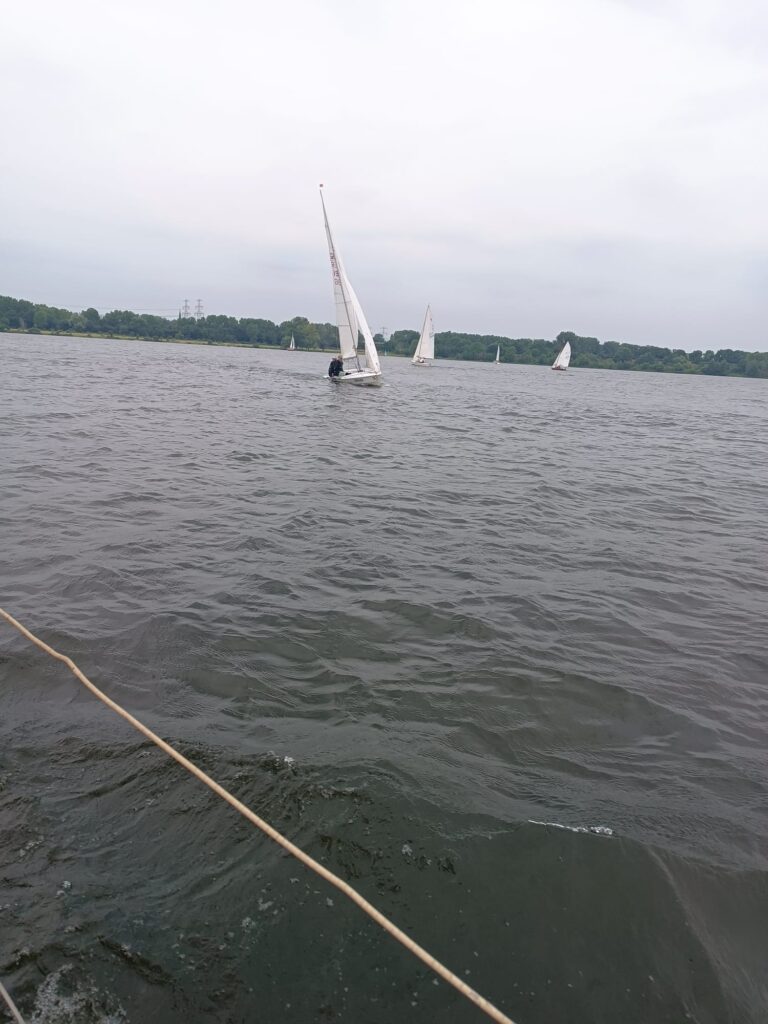
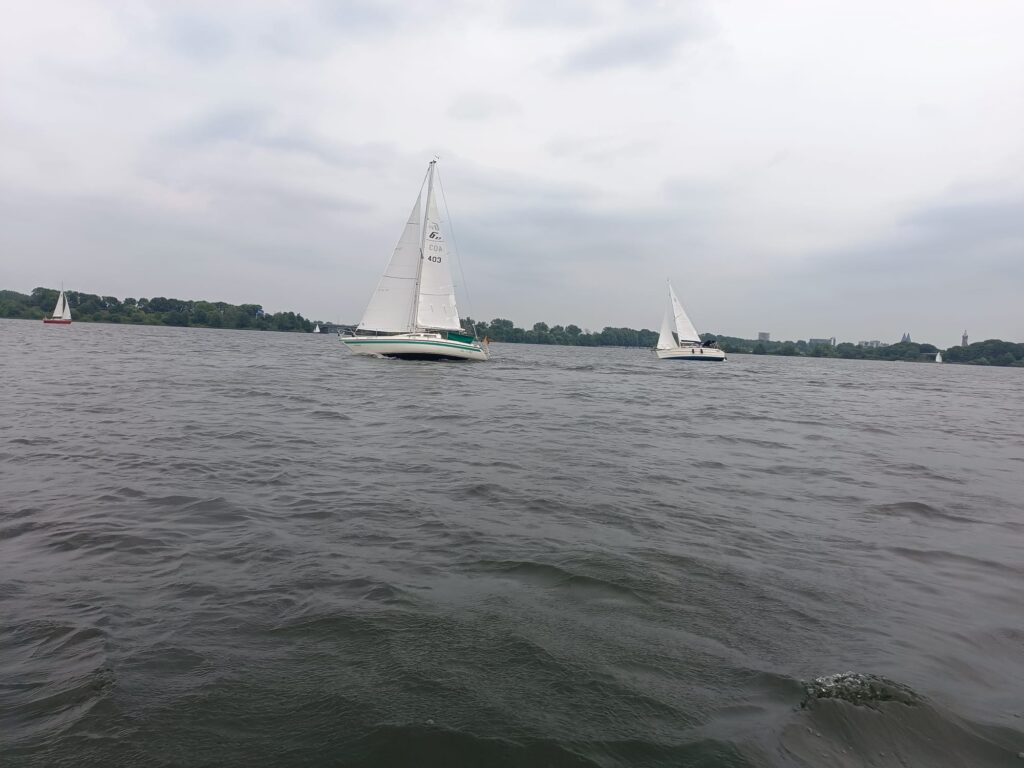
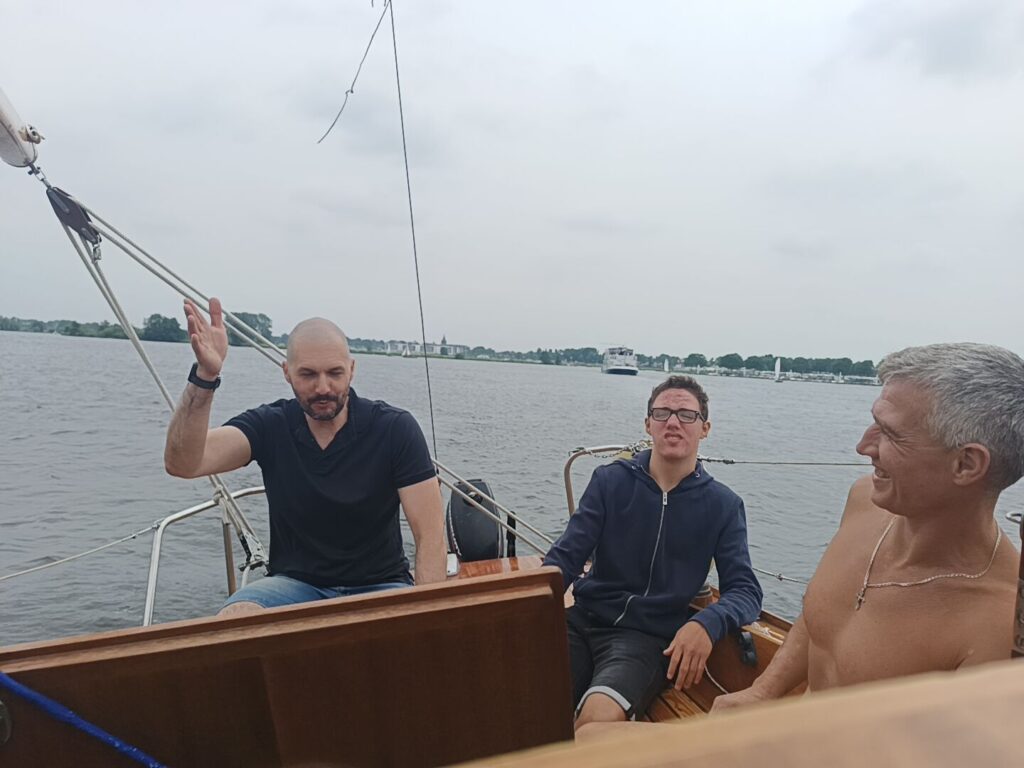
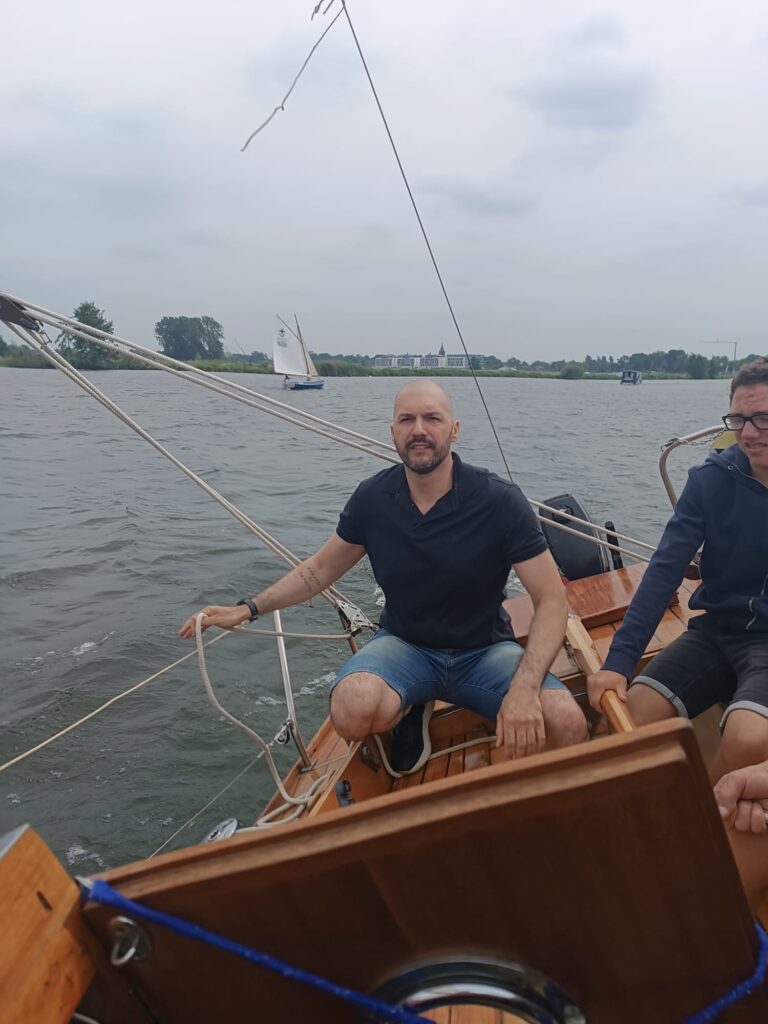
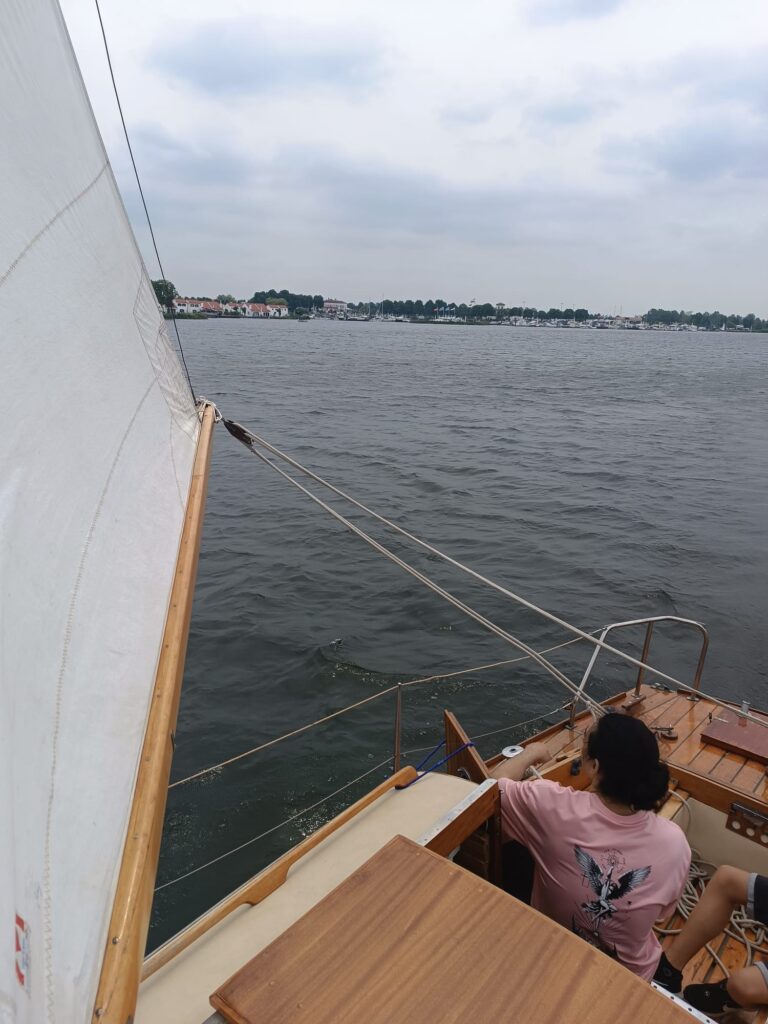
During Missions 5 and 6, participants explored the sails of a sailing boat and learned how wind energy is converted into movement on the water.
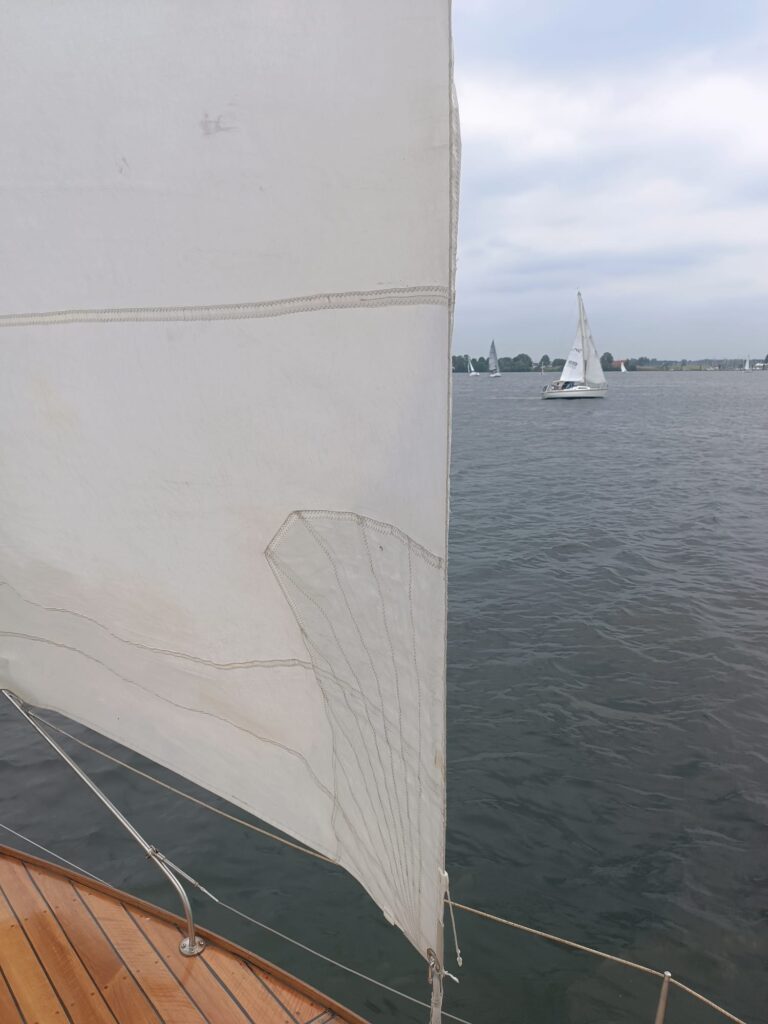
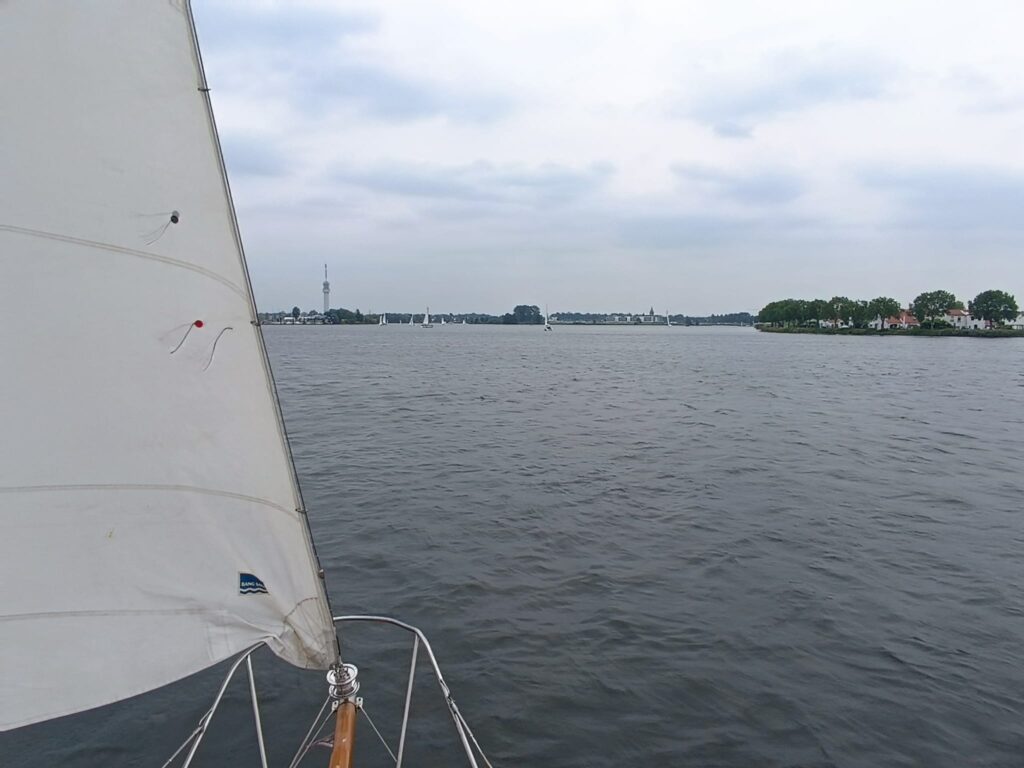
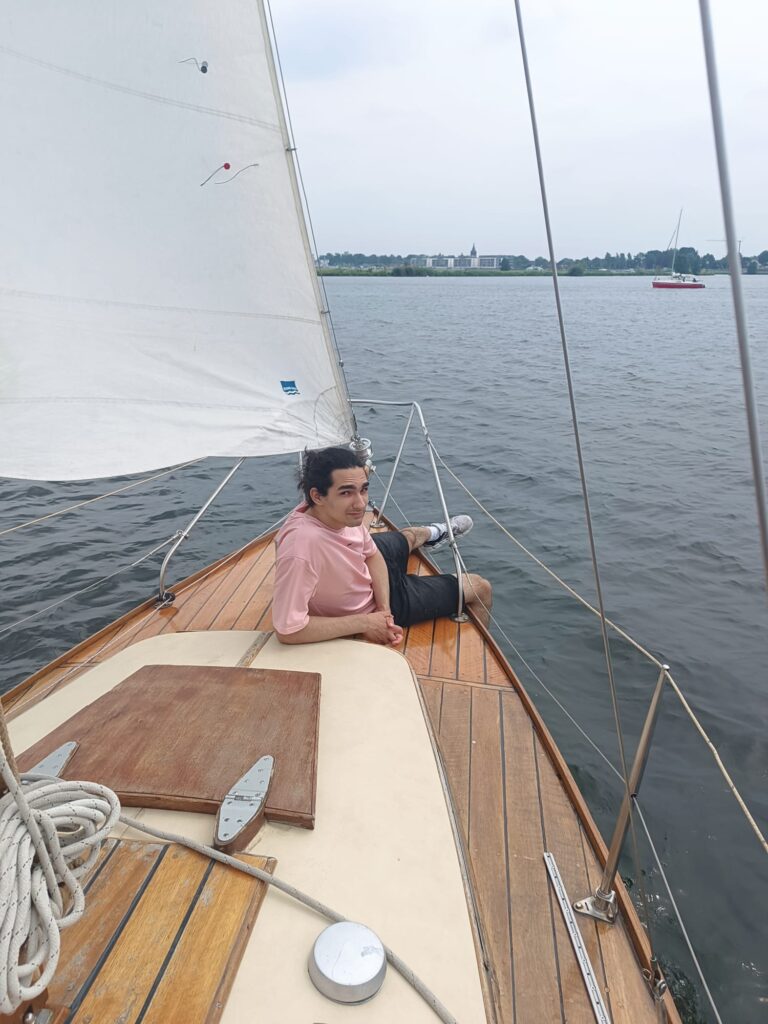
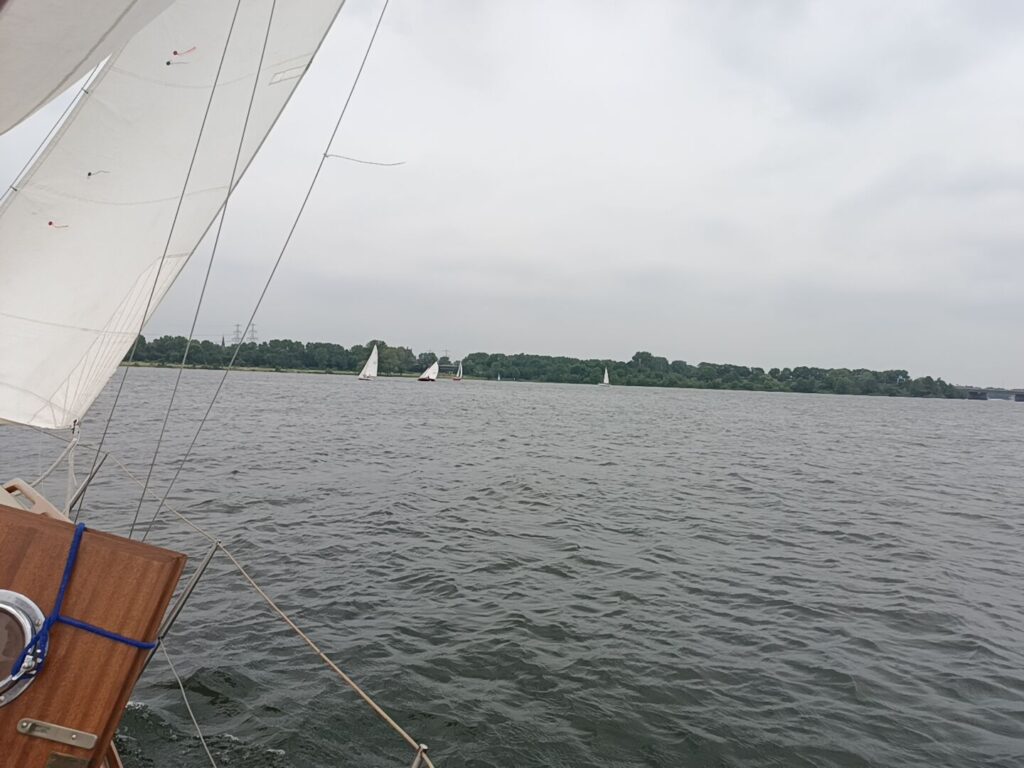
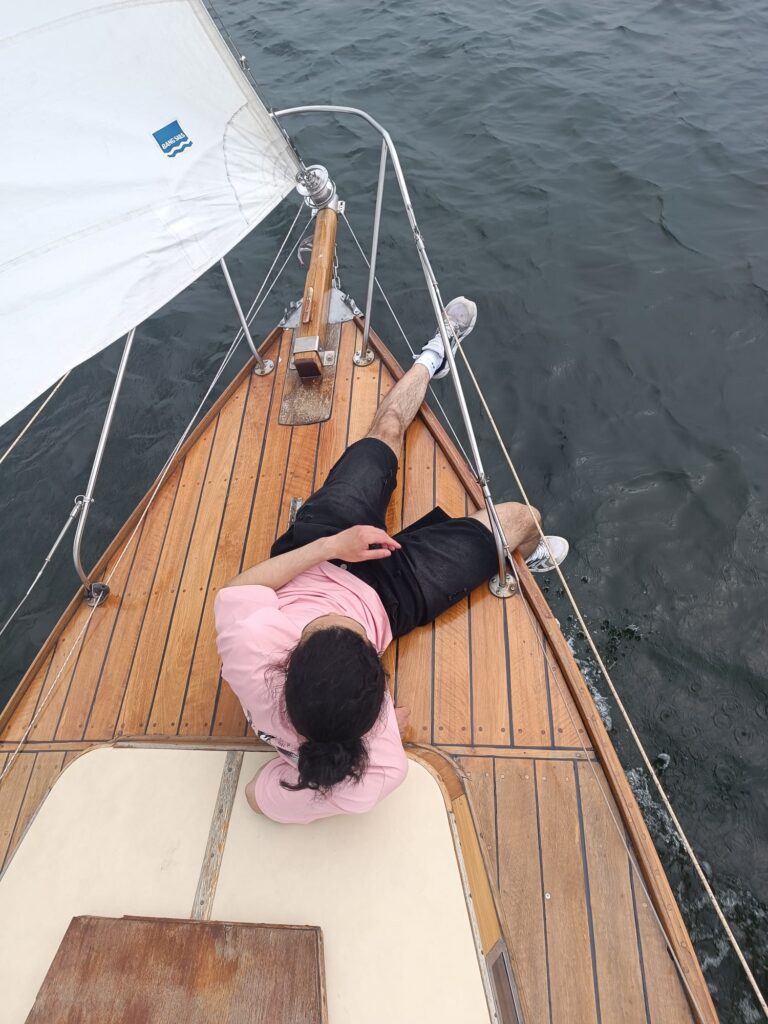
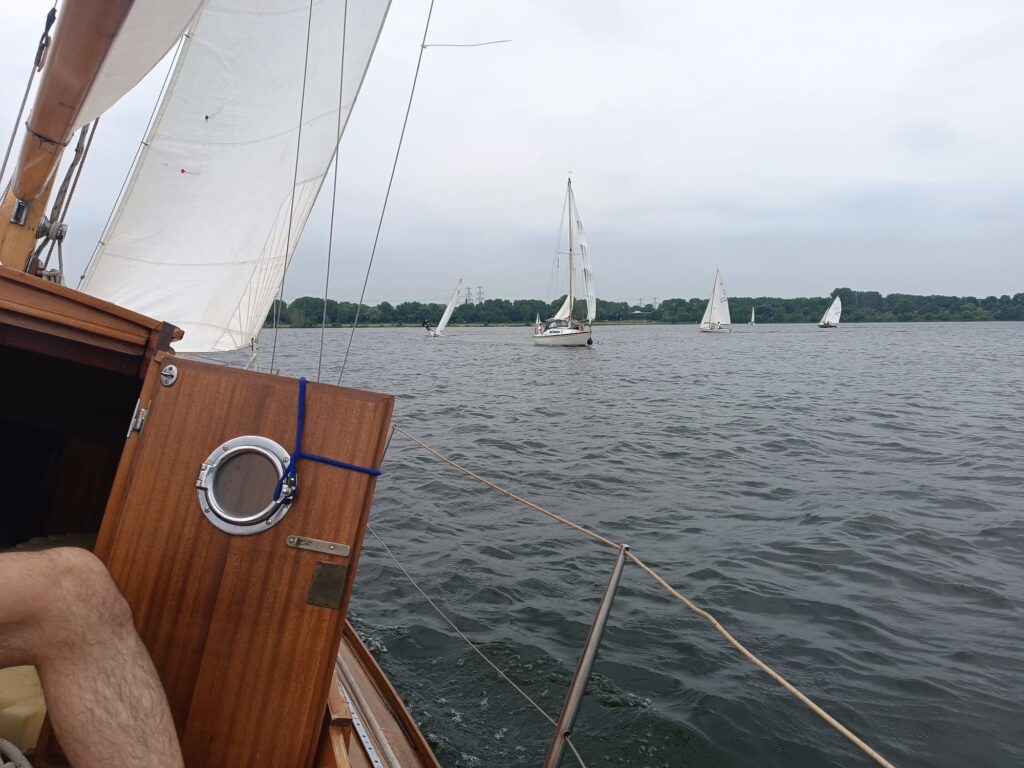
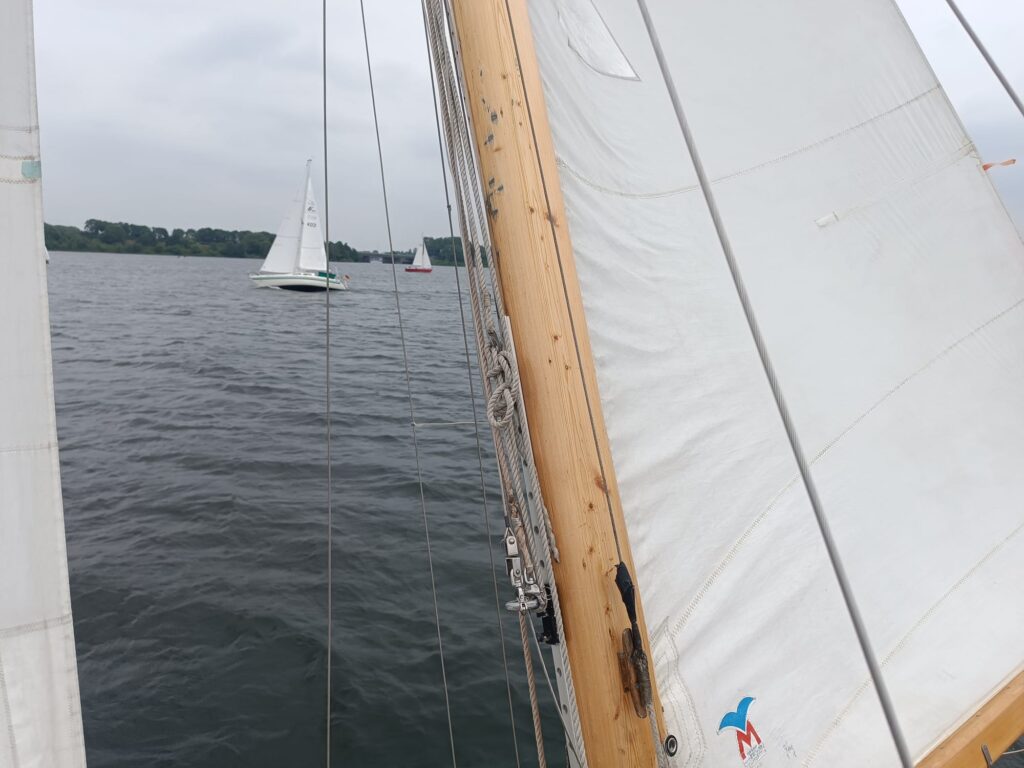
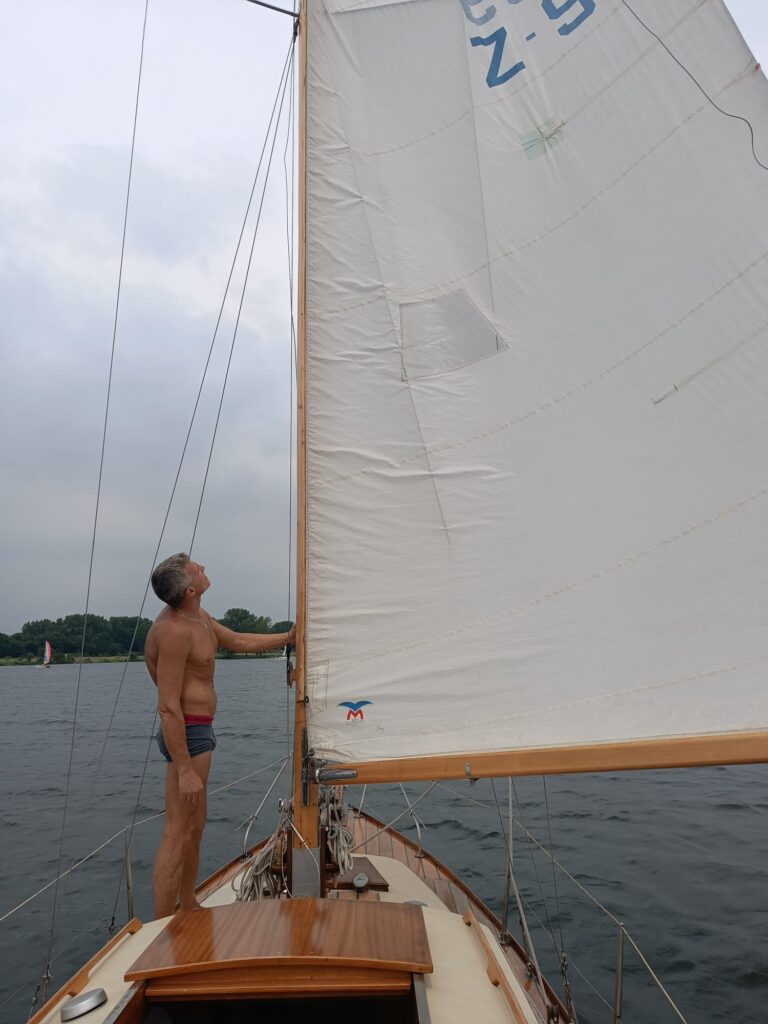
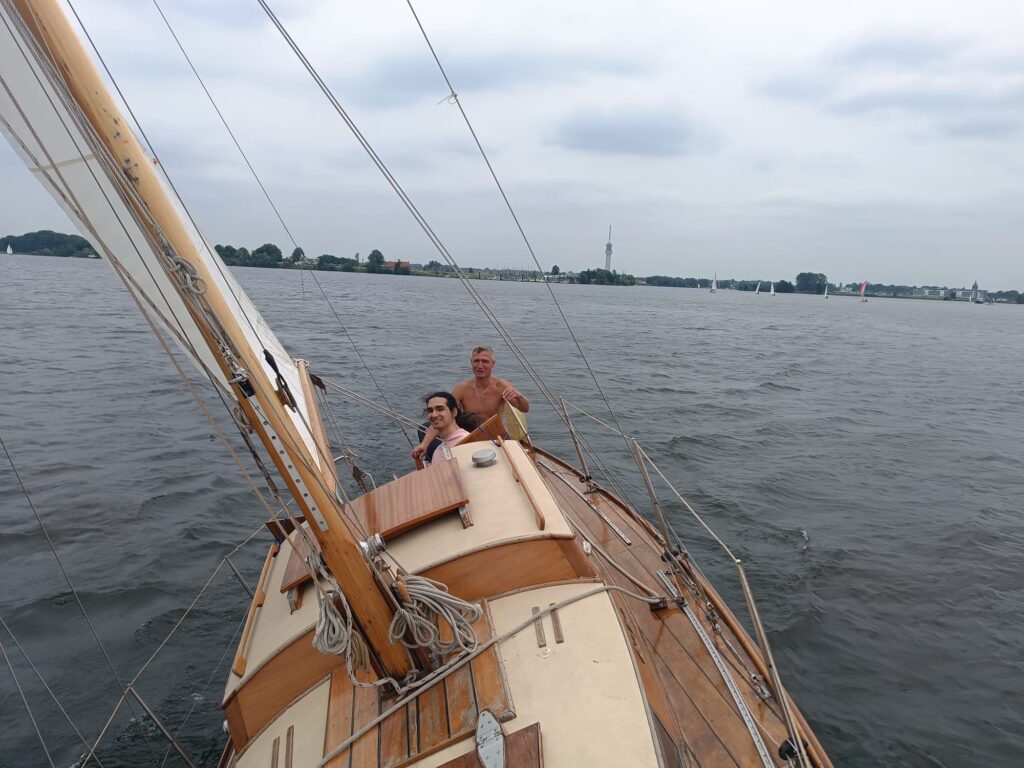
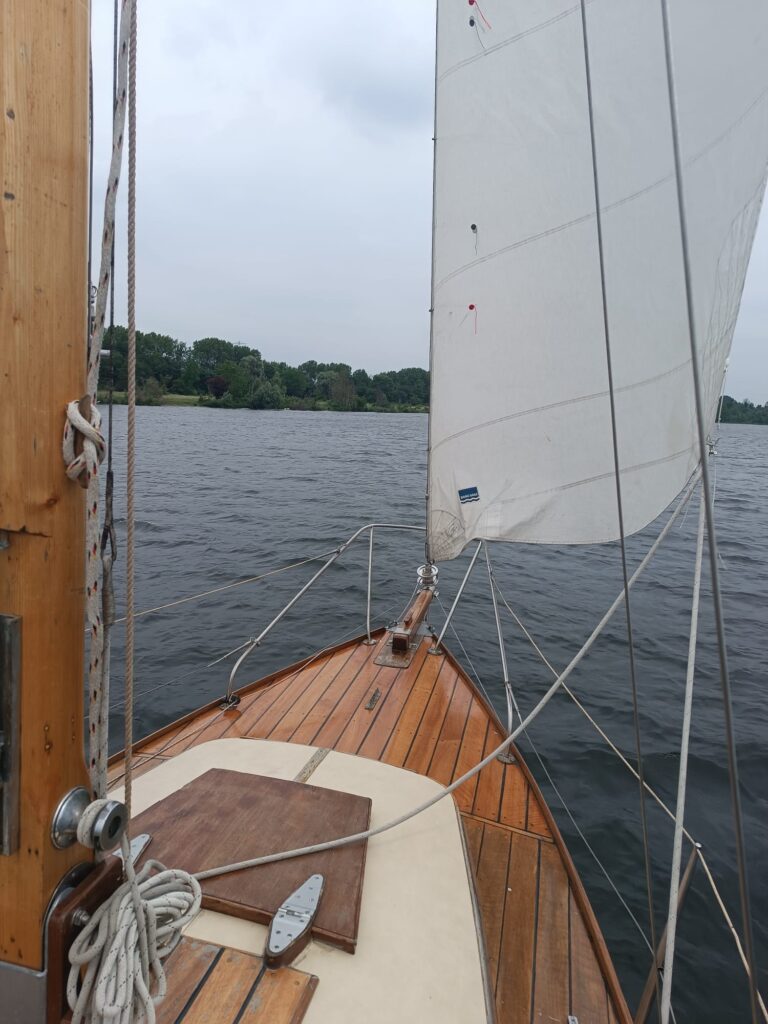
The session began with an introduction to the main sails used on the training boats. Participants learned to identify the mainsail and jib, understood their functions, and examined how the sails are connected to the mast and boom. Special attention was given to the role of each sail in controlling the boat and generating propulsion.
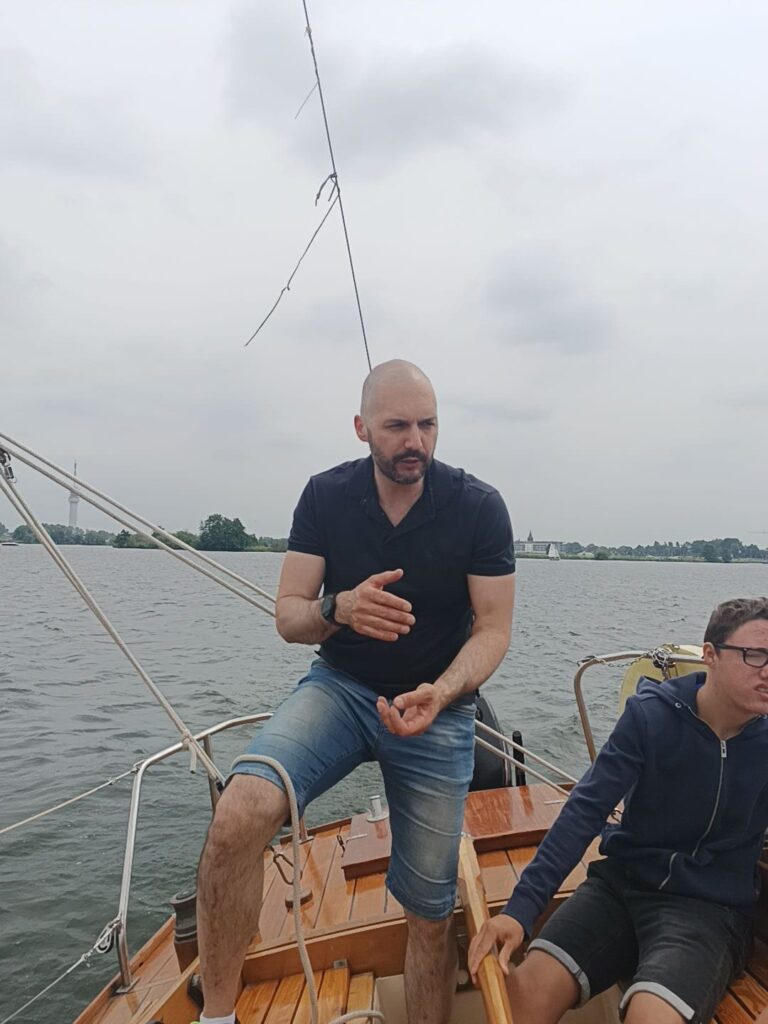
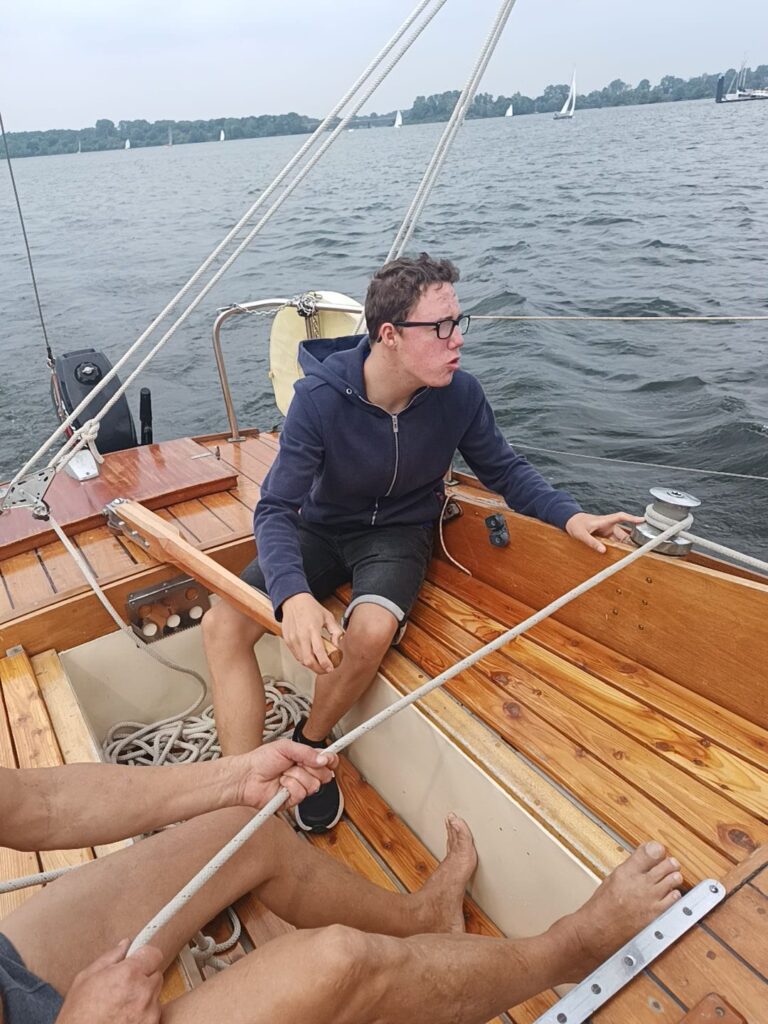
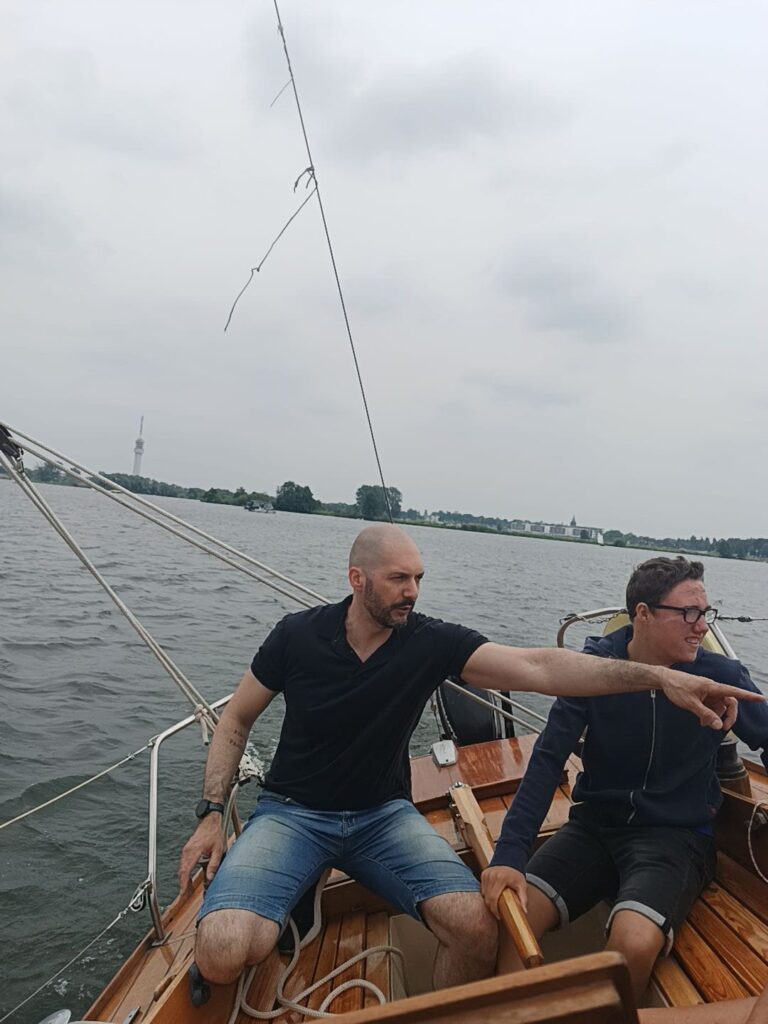
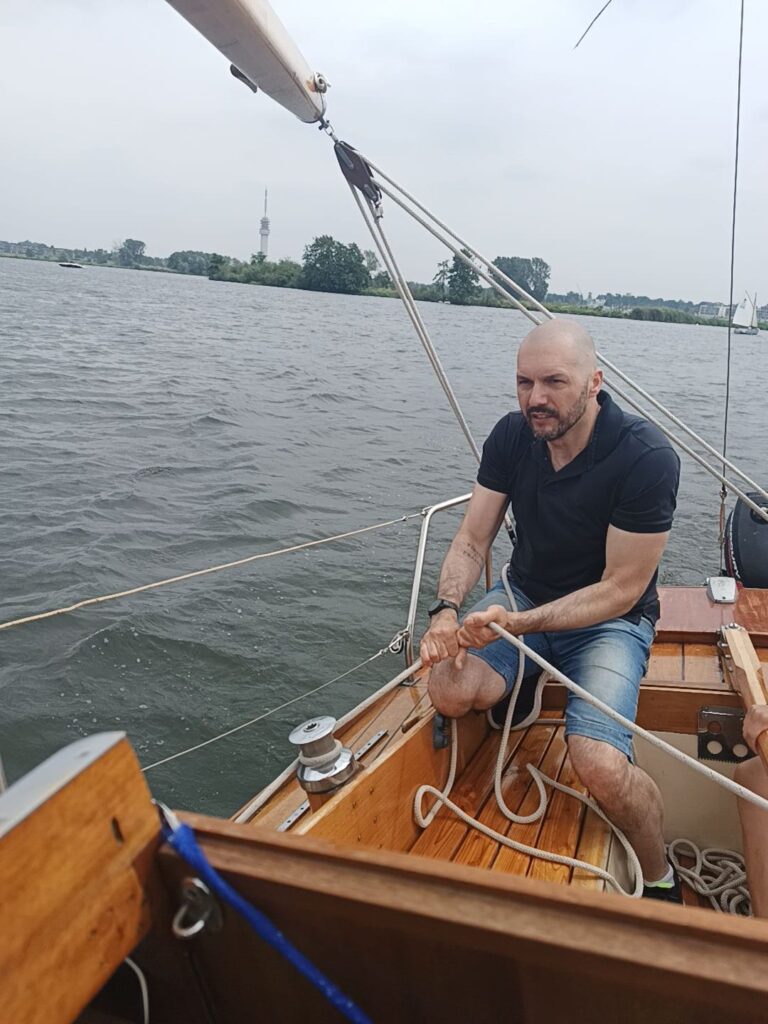
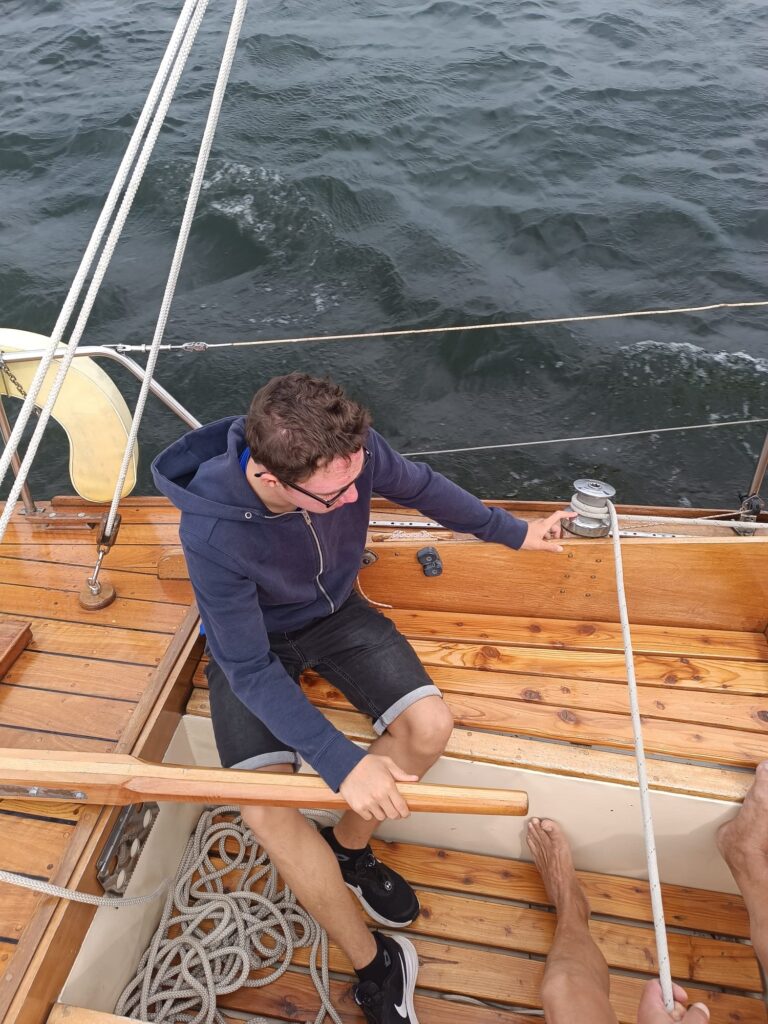
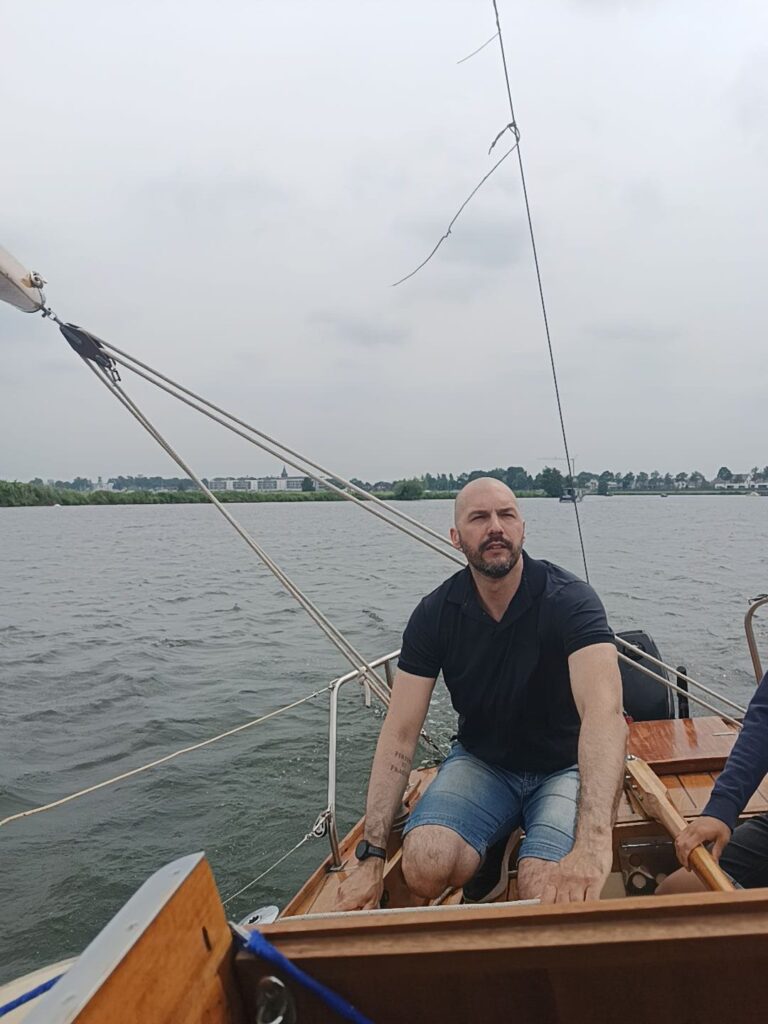
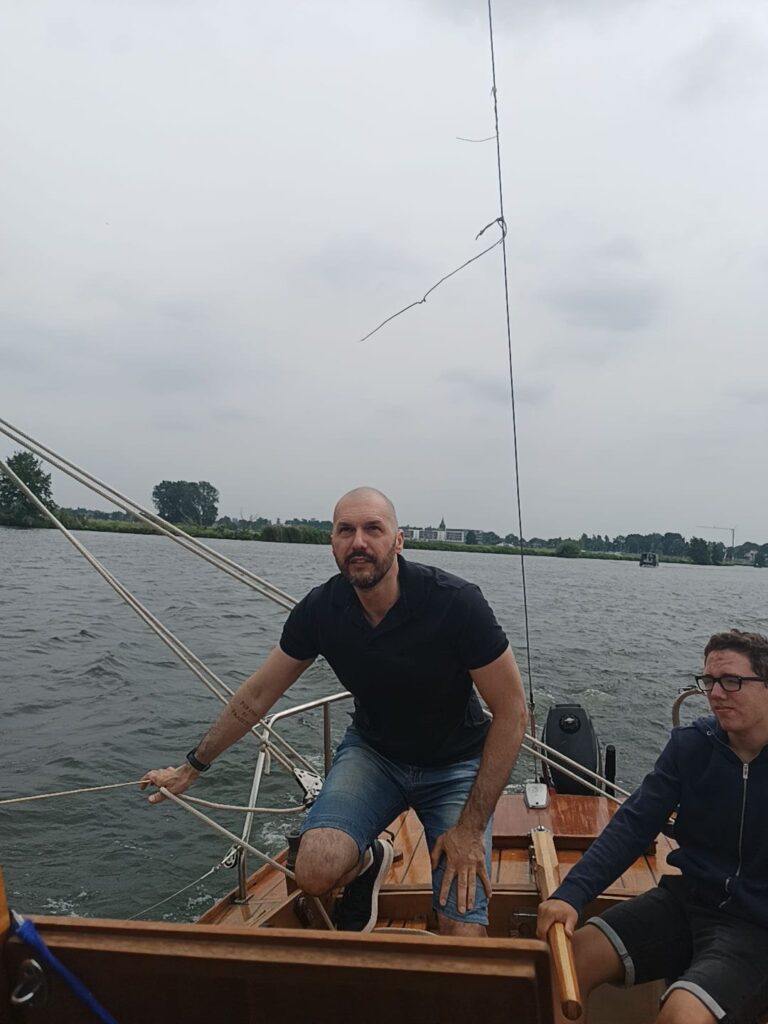
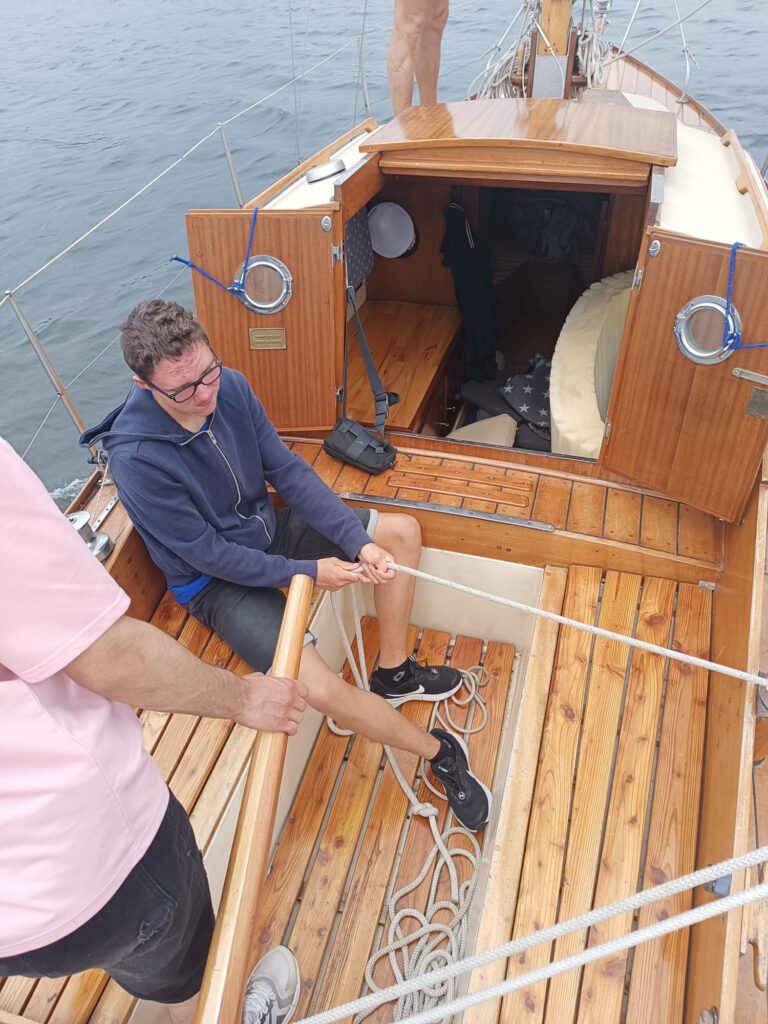
During practical exercises, participants identified different parts of the rigging and demonstrated their understanding of the purpose of each sail.
The second part of the lesson focused on sail power and the interaction between wind and sails. Participants learned how a sail captures wind, why proper sail shape is important, and how sail position influences boat speed and direction.
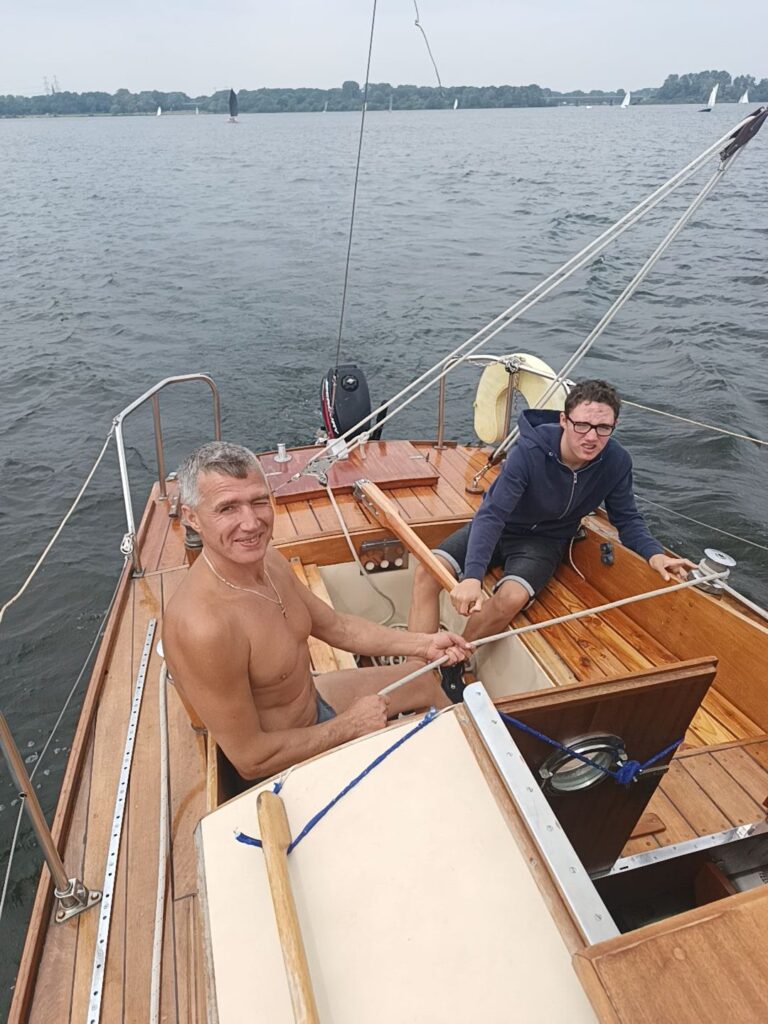
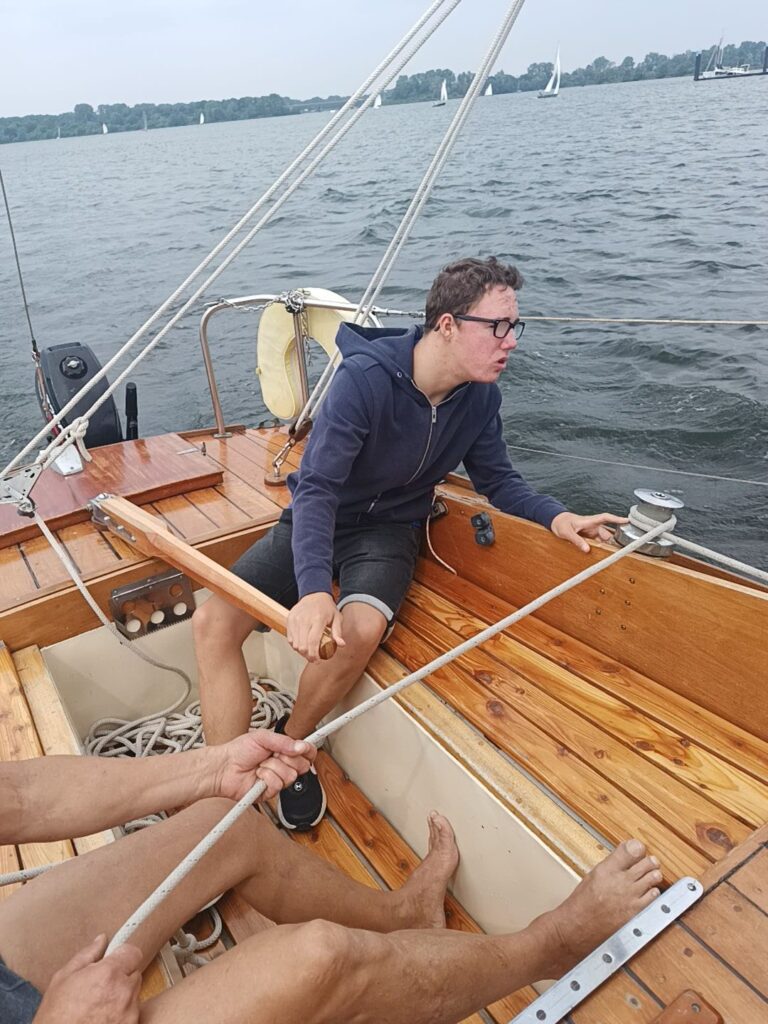
Through observation and hands-on activities, participants practiced recognizing when a sail was correctly trimmed and when it was losing power due to luffing. They experienced how adjustments to the sails affected the boat’s movement and efficiency.
Learning Outcomes
By the end of the session, participants were able to:
- Identify the mainsail and jib.
- Explain the basic function of each sail.
- Understand how wind creates force on a sail.
- Recognize when a sail is properly filled with wind.
- Describe how sail trim affects boat performance.
- Demonstrate increased confidence in handling basic sailing equipment.
Skills Developed
- Sail Identification
- Understanding Wind Power
- Basic Sail Trim Awareness
- Observation and Decision-Making
- Practical Boat Handling
The successful completion of Missions 5 and 6 provided participants with a solid foundation for future sailing activities and prepared them for upcoming lessons focused on steering, boat control, and teamwork on the water.